
"Many restaurants believe that billing software alone is enough to manage operations. While billing is critical, it only solves a small part of the problem."
As restaurants grow, owners quickly realize that disconnected tools create blind spots, inefficiencies, and revenue leakage due to billing errors.
This is where a restaurant ERP system becomes essential. In this article, we explain why billing software alone is not enough and how a restaurant ERP helps manage operations more effectively. Read our full Restaurant ERP System Guide for a complete overview.
What Restaurant Billing Software Does Well
Restaurant billing software is designed to:
- Generate bills and invoices
- Calculate taxes automatically
- Track payments (cash, UPI, cards)
- Reduce manual billing errors
For small operations, billing software may be sufficient at the beginning. But as order volume increases, new challenges appear.
The Limitations of Using Only Billing Software
No Operational Visibility
Billing software typically shows total sales and number of bills generated. But it does not provide:
- Live order flow
- Table-level performance
- Kitchen workload visibility
- Peak hour analysis
Owners are left reacting instead of planning.
Disconnected Systems Create Data Gaps
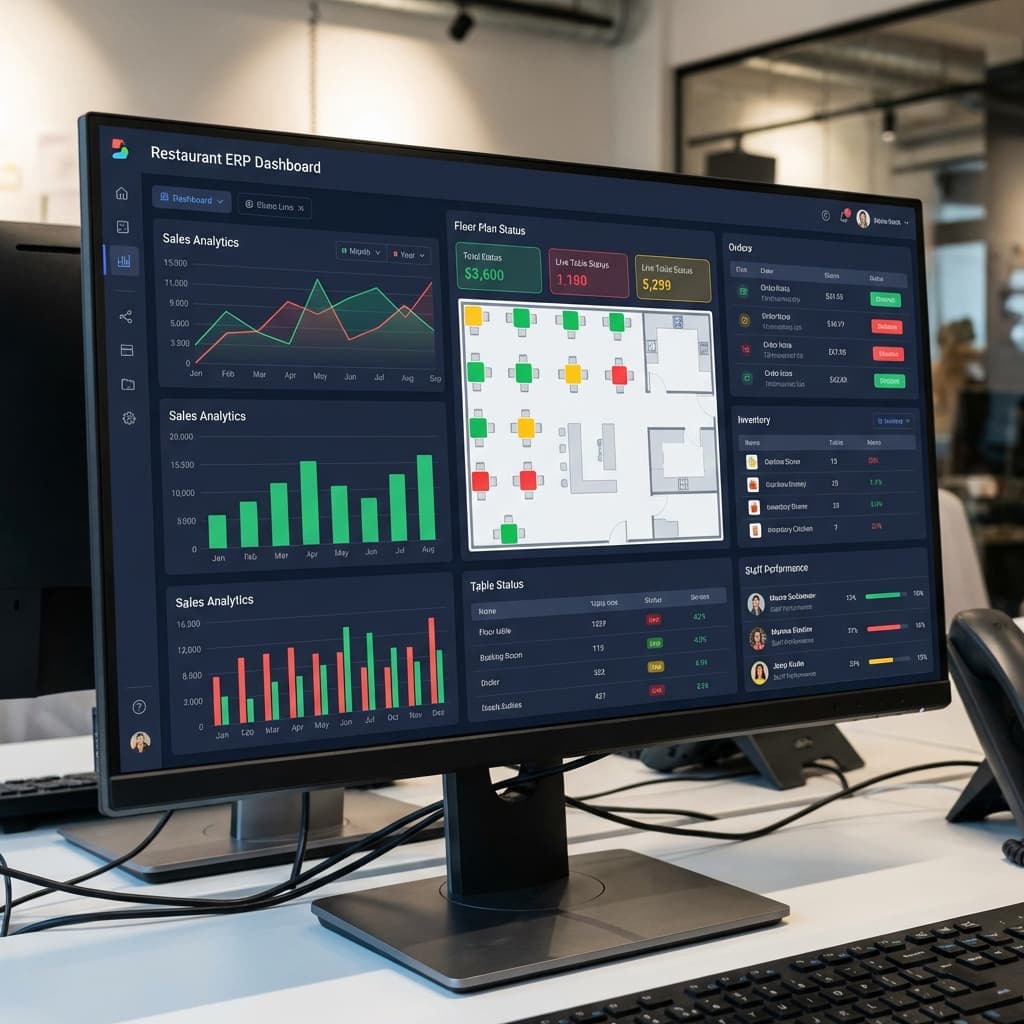
Restaurants often use separate tools for orders, billing, kitchen management, and reports. This leads to manual data syncing, inconsistent numbers, and end-of-day reconciliation headaches. Disconnected systems slow down decision-making.
Limited Control During Peak Hours
During busy periods, billing-only systems struggle to track order status, manage table turnover, and coordinate kitchen and service staff. This results in delays, errors, and customer dissatisfaction.
What Is a Restaurant ERP System?
A restaurant ERP system connects all core operations into one platform, including Ordering (QR and waiter-assisted), restaurant billing software and invoicing, Kitchen order management, Payments, and Reports and analytics. Everything operates from a single source of truth.
Stop guessing, start managing
Upgrade to Epitto's all-in-one Restaurant ERP today.
Try Epitto for Freearrow_forwardHow a Restaurant ERP Improves Daily Operations
Unified Order-to-Payment Flow
With a restaurant ERP, orders move directly from table to kitchen, bills are generated automatically, and payments are tracked in real time. There is no duplication of work and no data mismatch.
Real-Time Operational Insights
ERP systems provide visibility into Live order value, peak hours, best-selling items, and high-margin menu add-ons. These insights help owners make faster, smarter decisions.
Better Table and Staff Management
Restaurant ERP software allows managers to monitor table occupancy, track order progress, and reduce service delays. This leads to better customer experience and faster table turnover.
Scalable for Multi-Outlet Growth
As restaurants expand, ERP systems standardize processes across outlets, centralize reports, and simplify menu updates. This makes growth manageable without operational chaos.
The Financial ROI of a Restaurant ERP System
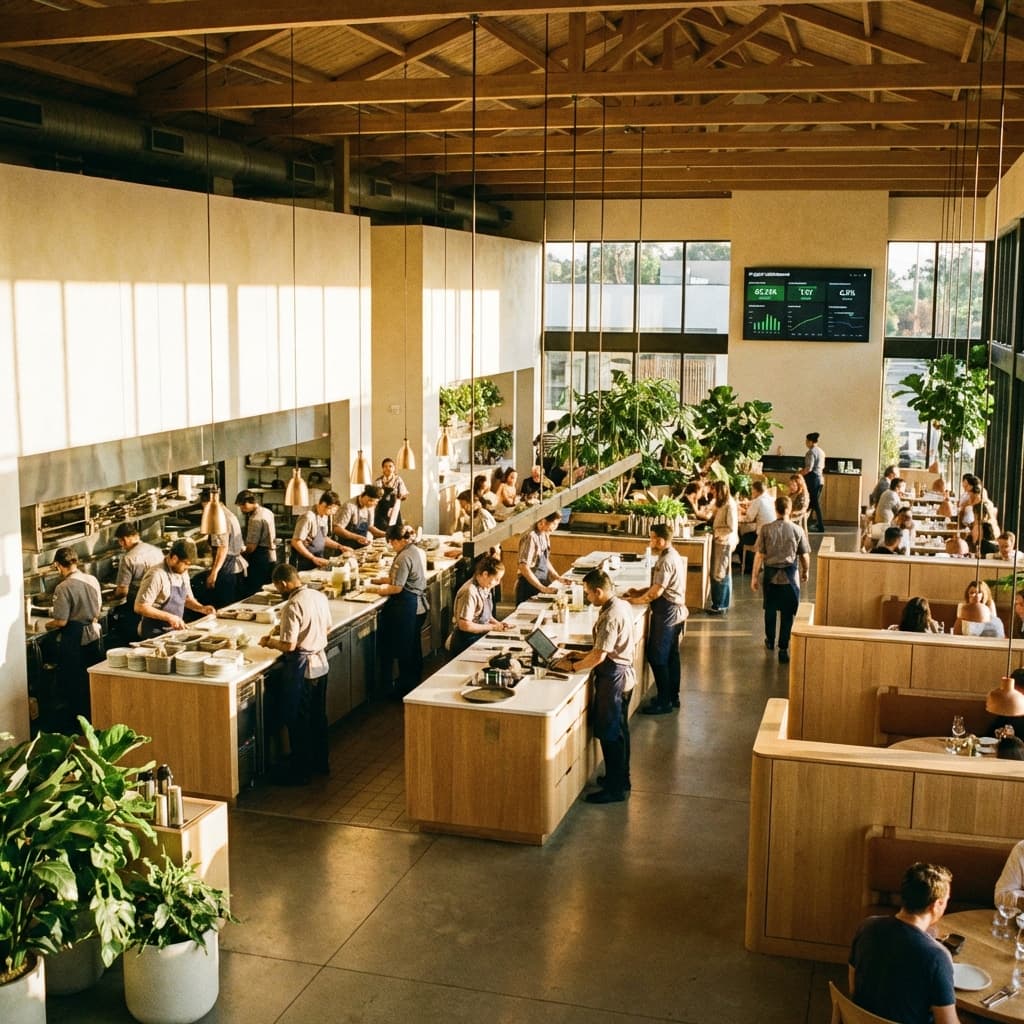
Beyond just operational visibility, a true restaurant ERP system delivers a strong return on investment (ROI) by actively stopping revenue leakage. When inventory is tied directly to POS sales, managers receive instant alerts if raw material consumption exceeds actual sales, preventing theft and wastage.
Furthermore, integrated labor management ensures that staff schedules align with predicted peak hours, lowering unnecessary wage costs. Comprehensive reporting across multiple outlets allows centralized management to identify underperforming locations and optimize menus without jumping between multiple software tools.
ERP vs Billing Software: What Should You Choose?
If your restaurant:
- Has dine-in service and multiple outlets
- Uses QR ordering and modern payment methods
- Experiences peak-hour pressure regularly
- Needs better visibility into operations and inventory
Then upgrading to a restaurant ERP system is a superior choice over standalone restaurant billing software.
Billing software handles mere transactions. An ERP system manages the total business workflow.
Final Thoughts
Billing software is necessary, but it is not sufficient for modern restaurants. A restaurant ERP system provides the structure, visibility, and control required to operate efficiently.
For restaurant owners who want to reduce errors, improve service speed, and scale confidently, ERP is not an upgrade—it’s a requirement. To dive deeper, check out our comprehensive Restaurant ERP System Guide.