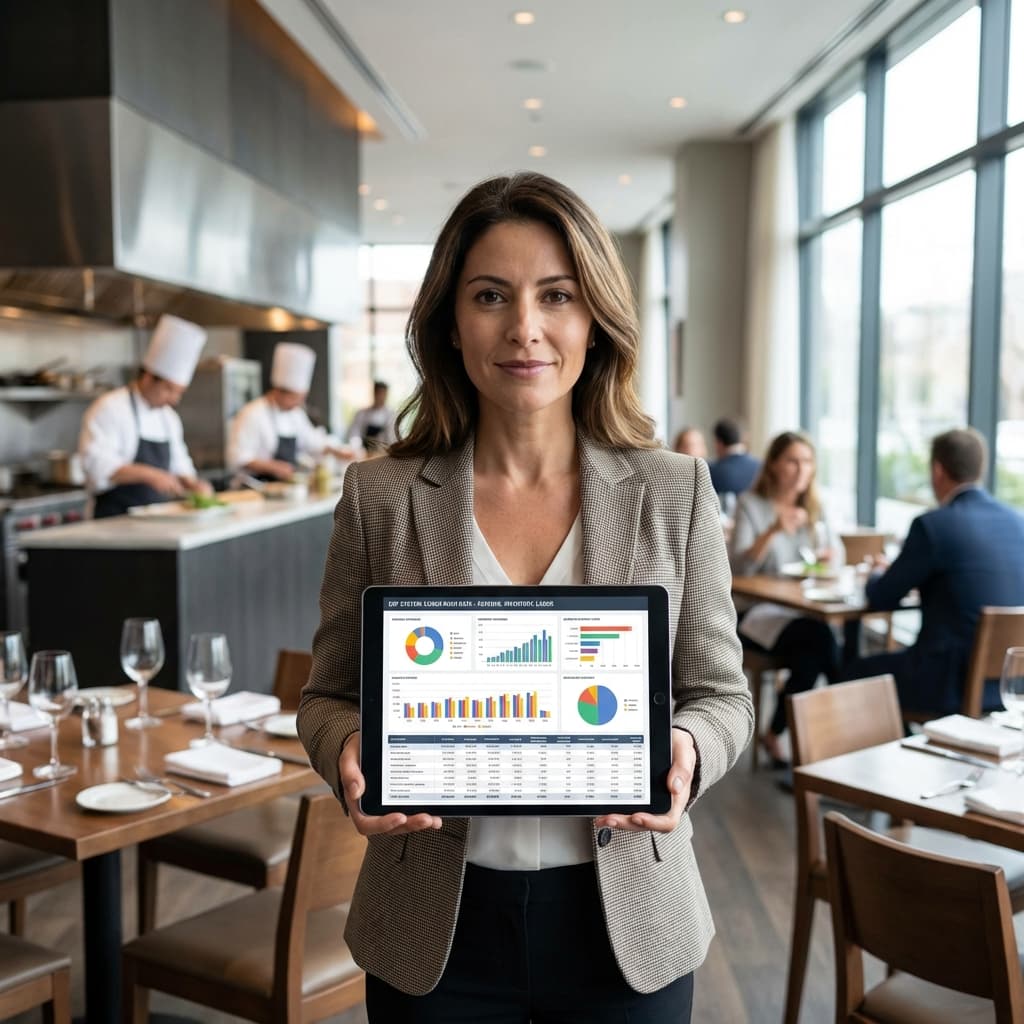
Running a successful restaurant is about more than just cooking great food. It's about managing a complex supply chain, tracking costs down to the penny, and maintaining consistent operations across multiple locations. This is where ERP systems come in.
A restaurant ERP system (Enterprise Resource Planning) is comprehensive software designed to manage every aspect of a food and beverage business.
While standard restaurant billing software focuses on the front-of-house (taking orders and payments), an ERP system connects the front-of-house to the back-of-house (inventory, recipes, procurement, and corporate accounting).
What is a Restaurant ERP System?
At its core, an ERP system is a unified database. In a typical restaurant without an ERP, operations might look like this:
- The POS takes orders.
- The kitchen uses a separate app or paper to track inventory.
- The accountant uses QuickBooks or Zoho Books to manage finances.
- The HR manager uses spreadsheets for payroll.
An ERP brings all these disjointed processes into a single, centralized platform. If a customer orders a burger, the ERP system instantly records the revenue, updates the inventory (deducting one bun, one patty, etc.), triggers a reorder alert if stock is low, and logs the data for the daily financial report.
Key Features of a Restaurant ERP
Enterprise systems are robust. Here are the core modules you should expect in a modern restaurant ERP:
1. Recipe and Menu Engineering
ERPs allow you to build out recipes ingredient by ingredient. You can track the exact yield and cost of a dish. This helps chefs understand exactly which dishes are profitable and which are loss leaders.
2. Supply Chain & Procurement
Manage multiple vendors, track purchase orders, and compare historical ingredient prices. If tomato prices spike, your ERP will alert you to the impact on your overall profit margins.
3. Multi-location Management
For franchises and restaurant groups, ERPs are non-negotiable. They allow headquarters to push menu changes to 50 locations simultaneously, track performance comparatively, and manage central kitchen distributions.
4. Financial Accounting
Advanced ERPs either contain full accounting modules or feature deep, two-way integrations with platforms like Zoho Books to handle accounts payable, accounts receivable, and tax compliance effortlessly.
ERP vs POS vs Billing Software
It is vital to understand the difference between these three tiers of software. We elaborate on this in our article: Why restaurants need ERP, not just billing.
| System Type | Primary Focus | Target User |
|---|---|---|
| Billing Software | Transactions, generating invoices, calculating tax. | Cashiers, Waiters |
| POS System | Transactions + basic inventory & CRM. | Managers, FOH Staff |
| ERP System | Full enterprise operations, supply chain, corporate accounting. | Owners, CFOs, Exec Chefs |
Benefits of Implementing a Restaurant ERP
Shifting to an ERP requires an investment of time and capital, but the ROI is typically massive for growing brands.
Data-Driven Profitability
Because an ERP knows exactly what you paid for ingredients and exactly what you sold a dish for, it gives you real-time food cost percentages. You can identify waste and theft immediately, rather than waiting for an end-of-month audit.
Operational Consistency
When opening a new location, an ERP ensures that the new restaurant uses the exact same recipes, pricing, and vendors as the original location, maintaining brand consistency.
Automated Compliance and Tax
Handling GST across different states or managing complex tax rules on different item categories is automated.
Scale Your Restaurant Empire
Manage billing, inventory, and operations across all locations with Epitto's cloud ERP.
Explore ERP Featuresarrow_forwardWhen Should a Restaurant Upgrade to an ERP?
Not every restaurant needs an ERP. A small, independent coffee shop can operate perfectly fine with standard billing software and a QR ordering system.
However, you should consider upgrading to an ERP if:
- You are opening a second or third location.
- You operate a central kitchen (commissary) that supplies satellite locations.
- Your food costs are high and you cannot figure out where the waste is occurring.
- You spend more than a few hours a week manually reconciling supplier invoices with your accounting software.
Conclusion
A restaurant ERP system is the digital backbone of a growing food and beverage enterprise. By centralizing your data, an ERP removes the guesswork from restaurant management, allowing operators to focus on growth and guest experience rather than spreadsheets and inventory checks.